
Shakespeare versus Onitsura and Tozan
Modern poetry modern verse contemporary poetry contemporary verse modern poem contemporary poem
The Great Morning breaks:
The winds of long ago blow
In through the pine trees.
~ Onitsura [Englished by Phillip Whidden]
The wind in mountain
Pine tree on the peak is true—
Truth of New Year’s Day.
~ Tozan [Englished by Phillip Whidden]
The haiku sees a pine and hears the wind
In it up on a peak upon the day
A new year turns, no thought or feeling pinned
To plainest observations. Haikus say
No meditations, leaving well enough
Alone. The English poets leap to large
Dynamic thinking but then all that stuff
Is missing from the haiku lines. The barge
Of Cleopatra with its fragrant sails
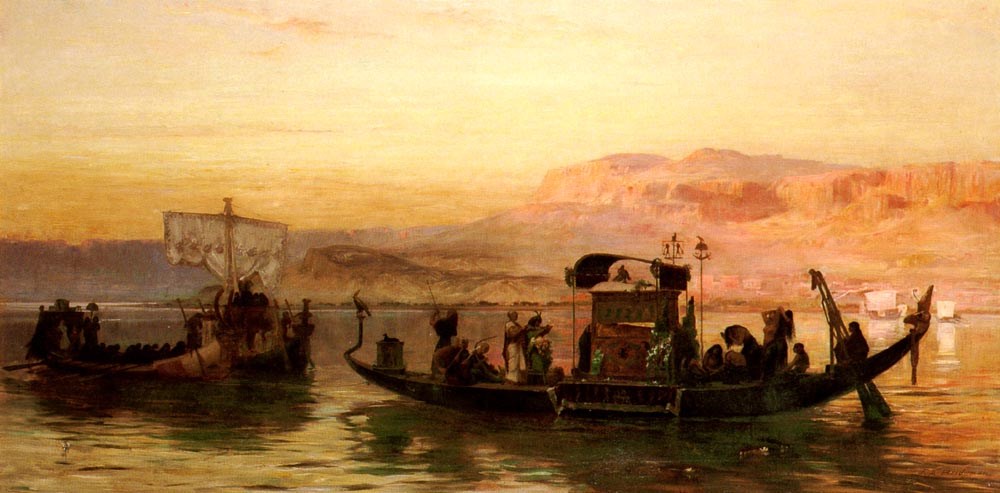
Filled up with winds of love is nowhere seen.
The tempest of the lovers’ lustings pales
To nothing in the Japanese men’s scene.
The chill of peak and rock and wind is quite
Sufficient. Nature offers constant might.
Of a haiku by Buson, R. H. Blyth says, “The verse is conventional and has no specially deep meaning, other than the real awakening of light and life, but illustrates the tendency to bring down the spiritual and majestic into the material”. Of the haiku by Tozan, Blyth says, “the poet has taken on the present moment” and then cites two sets of lines by English writers, firstly Matthew Arnold and, secondly Ruskin:
…in his ears
The murmur of a thousand years.
Then:
The orange stain on the edge of yonder western peak reflects the sunsets of a thousand years.

0 Comments